Industrial design and Chinese modernization: starting with form
A provisional essay about appearance, use, making, and choice; the referenced paper still needs to be identified.
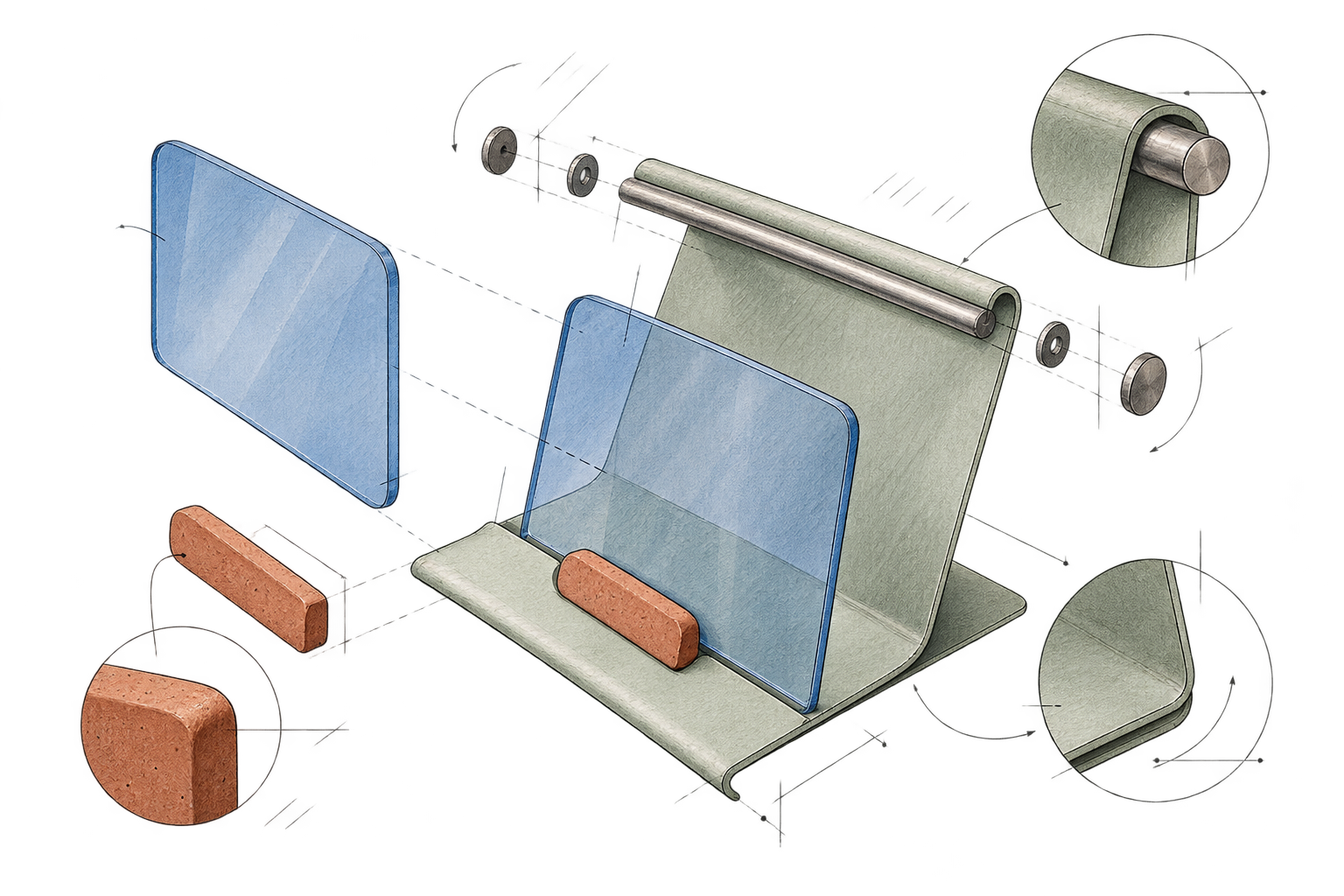
It is easy to treat a product’s appearance as a final layer. Yet form rarely arrives only at the end: the way a material bends, how parts join, and whether someone wants to pick an object up all pull it in a direction.
Form is more than a shell
A small question from our design discussion is whether simpler is always better. Removing a component may make manufacturing easier, yet also erase a cue that helps people understand the product or recognize it among alternatives.
Appearance has consequences. It affects how a product is read, whether someone approaches it, and why a person might choose it. This does not put beauty above function; it recognizes that function, experience, and a decision to buy can influence one another.
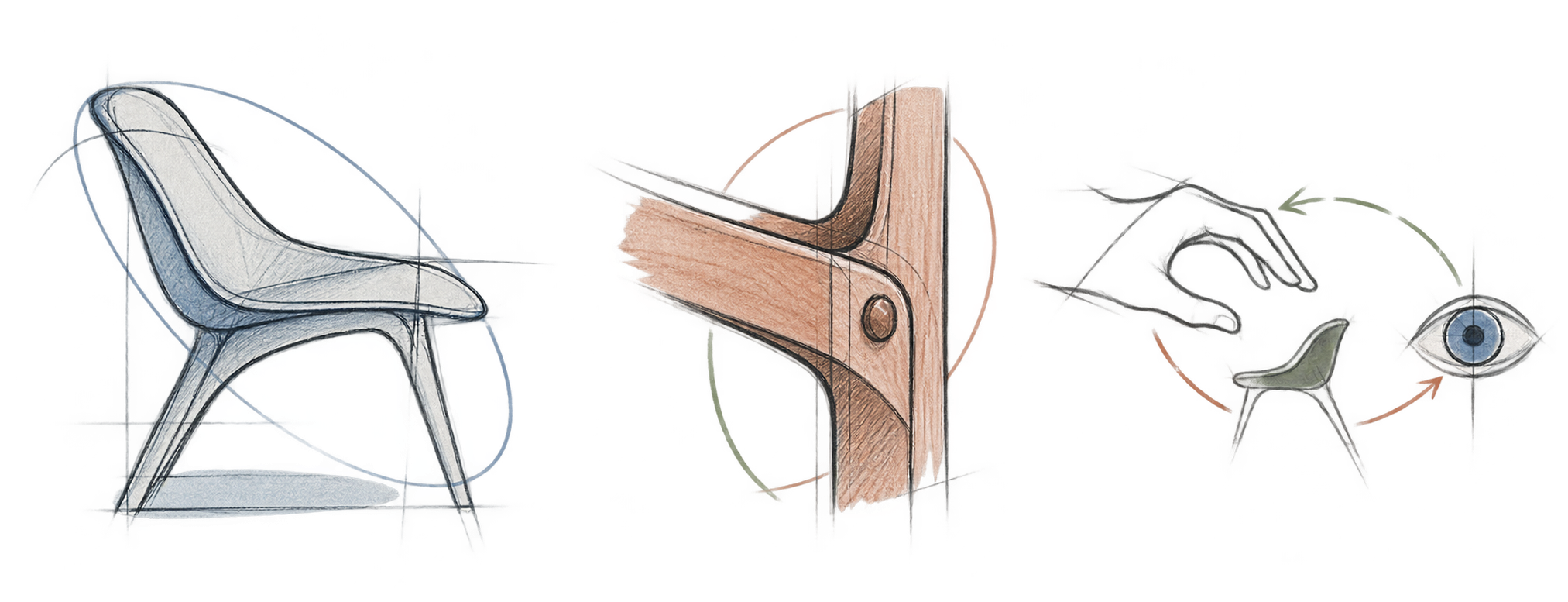
Modernization is not a single style
If “Chinese modernization” is reduced to a fashionable visual style, harder design questions disappear: who uses the object, how is it made, who maintains it, and what does a changing way of life actually require?
The same material language may lead to different choices under different production, cost, and use conditions. A visual vocabulary alone cannot answer what modernization means for industrial design; the systems and everyday lives around it matter too.
Making a choice defensible
A component may remain because of structure, touch, recognition, or emotional value. It may go because it complicates production, resists repair, or adds little to the actual situation of use. Design does not need to choose “more” or “less” in advance.
The useful question is what conditions a form responds to. Under an alternative, who benefits and who bears the cost? Once these relationships become visible, form becomes a design decision that can be examined rather than a declaration of taste.
Editorial note: this provisional text draws only on design discussion currently available in the site records. It has not yet been matched to the paper you mentioned. The illustrations are editorial, not personal work or research figures.